

Caring for Jewellery

Jewellery and jewellery components will naturally change over time depending on how they are stored, handled and worn. With the right care, sterling silver, plated jewellery and gemstones can remain looking their best for a long time.
Many of our trade customers may also hold products in stock for some time before use or sale, so good storage is particularly important.
Sterling Silver
Sterling silver naturally tarnishes. This is a normal characteristic of silver and does not mean that the metal is poor quality or faulty.
Tarnish develops when silver reacts with compounds in the air and its surrounding environment. Humidity, perfumes, cosmetics, perspiration, household products and individual skin chemistry can all influence how quickly this happens.
When jewellery or components are being stored, we recommend keeping them in airtight or sealed packaging wherever possible. Grip-seal bags and seal-and-peel bags work particularly well and are also used to store products in our own warehouse.
Anti-tarnish tabs and bags can also help by absorbing or neutralising some of the compounds which contribute to tarnishing.
Once a piece has been sold and worn, any subsequent tarnishing is usually the result of environmental contact rather than a manufacturing issue.
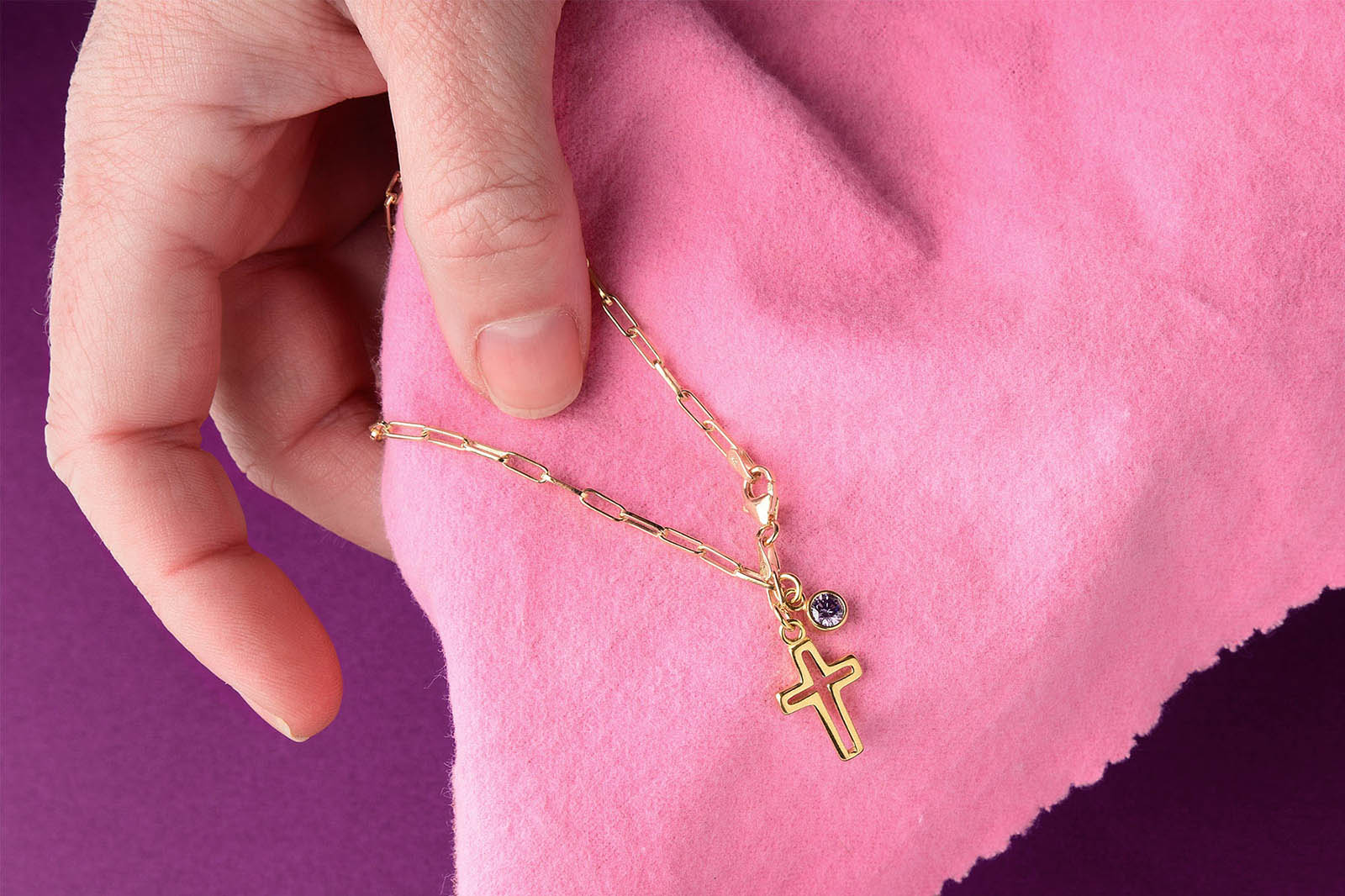
Light tarnish can normally be removed using a good-quality silver polishing cloth.
Silver dips should be used with care, particularly where an item contains gemstones, pearls or a plated finish, as some cleaning solutions can damage these materials. Always check that the cleaning method is suitable for the item concerned.
Storing Jewellery and Components
The materials surrounding jewellery during storage can also affect how quickly it tarnishes.
Cardboard, tissue paper, some foams, fabrics and adhesives can release compounds which react with silver. Jewellery left on display or stored for long periods in presentation packaging may therefore tarnish more quickly than jewellery kept in sealed protective packaging. For further information on tarnishing please see the Assay Office website for further details.
Where jewellery is being held in stock before sale, we recommend keeping it sealed until required and adding presentation boxes, cards or other packaging closer to the point of sale where practical.
Items should be kept clean and dry and stored away from excessive humidity, direct sunlight and sources of heat.
Plated Metals
Plating is a surface finish applied over another metal. With wear, that surface will gradually change and eventually wear, particularly in areas which regularly come into contact with the skin, clothing or other jewellery.
How quickly this happens depends on how frequently an item is worn and its exposure to water, perspiration, perfumes, cosmetics and other substances.
To help maintain plated jewellery:
avoid wearing it in the shower, bath or swimming pool;
keep it away from perfumes, hairspray, creams and household chemicals;
remove it before exercise or activities where it is likely to experience heavy friction;
store it clean, dry and separately from other jewellery where possible; and
clean it gently with a soft, non-abrasive cloth.
Avoid silver dips and abrasive silver polishing cloths on plated finishes, as these can remove the plating.
Wearing and Handling Jewellery
Jewellery is designed to be worn, but sensible care will help prolong its appearance and life.
We recommend putting jewellery on after applying perfume, cosmetics, lotions and hairspray. Removing jewellery before bathing, swimming and using cleaning products will also reduce unnecessary exposure to chemicals and moisture.
Chlorinated water can be particularly harmful to silver and plated finishes.
Fine jewellery and jewellery components should also be handled appropriately. Sterling silver is naturally malleable, which is one of the qualities that allows it to be shaped and worked. Fine wires and components can therefore bend if subjected to pressure.
Repeated bending backwards and forwards in the same place will weaken most jewellery wire and can eventually cause it to break. Components should be handled with suitable jewellery tools and only adjusted as much as necessary.
Pearls and Delicate Gemstones
Pearls and some gemstones benefit from a little extra care.
Store them away from harder jewellery which could scratch their surface and avoid direct contact with perfume, hairspray, cosmetics and cleaning products.
Pearl jewellery is best put on after perfume and cosmetics have been applied and can be cleaned gently with a soft cloth.
Pearls strung on silk or other textile materials should not be soaked in water, as this may affect the stringing material.
Different gemstones have different levels of hardness and resistance to heat, chemicals and cleaning methods. If you are unsure, gentle cleaning with a soft cloth is usually the safest approach.
Natural Gemstones
Natural gemstones vary naturally in colour, pattern, inclusions, shape and surface appearance. These individual characteristics are part of the stone rather than imperfections.
Although many gemstones are durable enough for everyday jewellery, they should still be protected from heavy knocks, scratching and unnecessary chemical exposure.
Caring for Jewellery After Sale
For trade customers creating or reselling finished jewellery, we recommend providing your customers with suitable wear and care advice for the materials used in the finished piece.
Simple guidance around avoiding water, chemicals and cosmetics, storing jewellery correctly and cleaning it appropriately can make a significant difference to how jewellery looks over time.
If you experience an issue with a product supplied by Burhouse which you believe may be a fault, please refer to our Returns Policy for information on returns and how to contact us.